- Ruolo
- Growth & Performance Marketing Strategist
- Cosa c'è dentro
- Strategia full-funnel, art direction della campagna, copy degli annunci e delle email, un'automazione funzionante e un modello a 30 giorni con due scenari.
- Strumenti
- Meta Ads, Klaviyo, Make.com, Google Sheets, Gmail
- Quando
- Luglio – agosto 2026
- Tipo
- Progetto concept — nessun cliente, nessuna vendita reale.
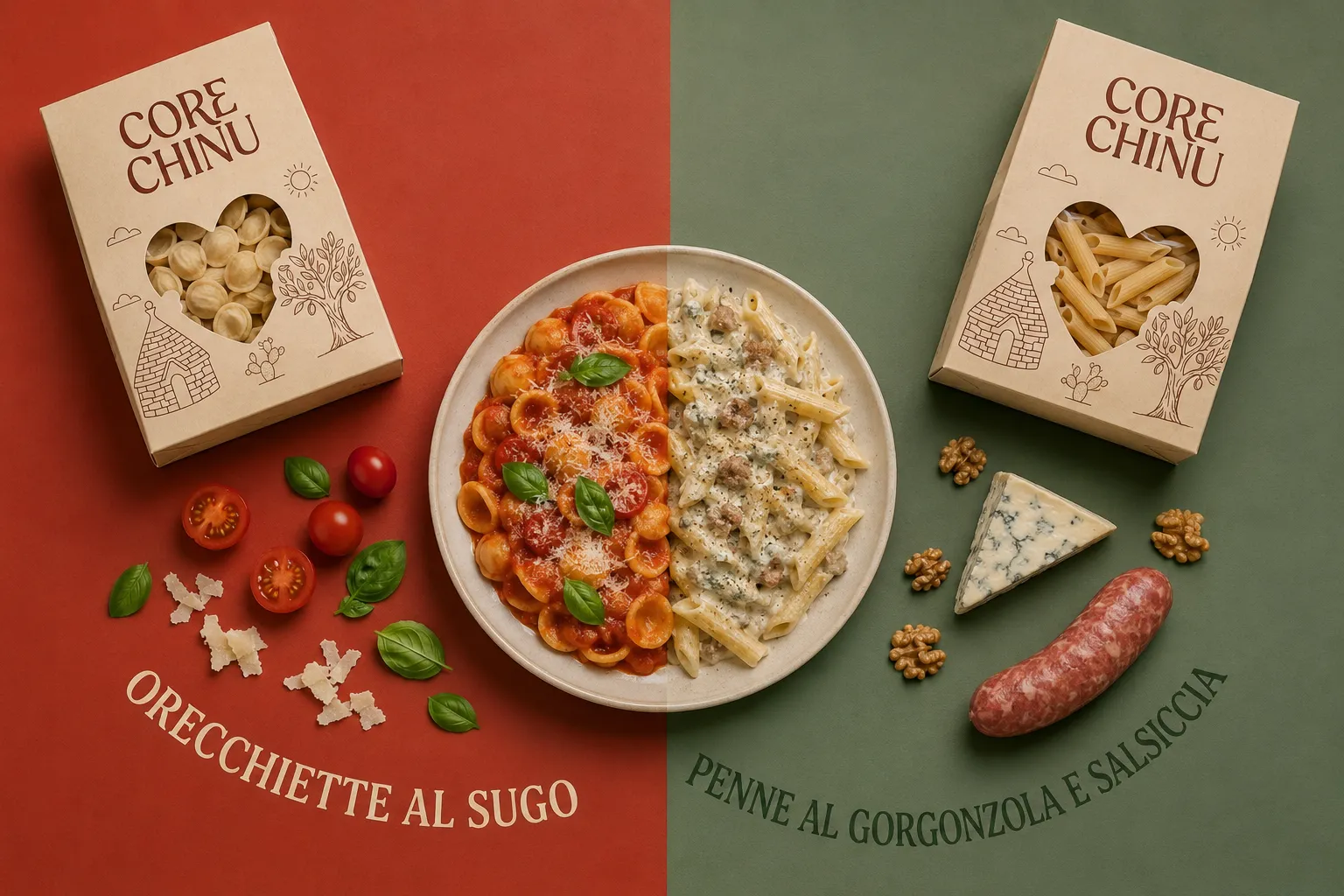
La difficoltà, qui, non era solo vendere della pasta fresca. Era convincere qualcuno che valesse la pena comprarla.
Perché la prima domanda sarebbe stata: ma arriva davvero bene? E subito dopo ne sarebbe arrivata un’altra: ma perché dovrei pagarla così, se di prodotti pugliesi a Milano se ne trovano già?
Tutto il progetto parte da queste due domande. Dalla campagna alla landing page, dallo sconto alle email, ho cercato di costruire un percorso che rispondesse prima al dubbio sulla consegna e poi a quello sul valore del prodotto.
Core Chinu non esiste davvero e non c’è nessun cliente dietro questo progetto. Ho costruito tutto come se dovesse partire sul serio — con un prodotto, un pubblico, un budget e persino degli ordini che non sono mai arrivati. Mi serviva farlo così per capire fin dove poteva reggere l’idea.
Il brief
L’idea era quella di un laboratorio artigianale di pasta fresca tradizionale pugliese, venduta online e consegnata in una catena del freddo certificata entro 24 ore.
Il pubblico? Persone cresciute al Sud e trasferite a Milano o nel Nord Italia, che hanno nostalgia di quei sapori ma non sempre il tempo di cucinare.
Ma la nostalgia, da sola, non basta. Soprattutto in un mercato in cui i prodotti pugliesi si trovano già anche lontano dalla Puglia.
Core Chinu avrebbe quindi dovuto dare una ragione per scegliere proprio quella box e per pagarne il prezzo: non poteva limitarsi a dire “ti porto un pezzo di Puglia a casa”, perché quel pezzo di Puglia, in qualche forma, era già disponibile.
E poi c’era il problema più concreto: la pasta è fresca e refrigerata. Prima ancora di pensare al sapore, chi compra deve essere sicuro che possa arrivare a casa dopo 24 ore di viaggio senza rovinarsi.
Il brief dava per acquisita la parte operativa: la pasta sarebbe stata spedita refrigerata e consegnata entro 24 ore. Il mio lavoro era capire come rendere credibili entrambe le cose: che la pasta arrivasse bene e che valesse il prezzo a cui veniva venduta.
Prima ancora della campagna, deve convincere la scatola
Ho pensato quindi di partire da lì.
Una borsa termica, il ghiaccio e un adesivo all’interno del coperchio con scritto 4°C · 24 ORE.
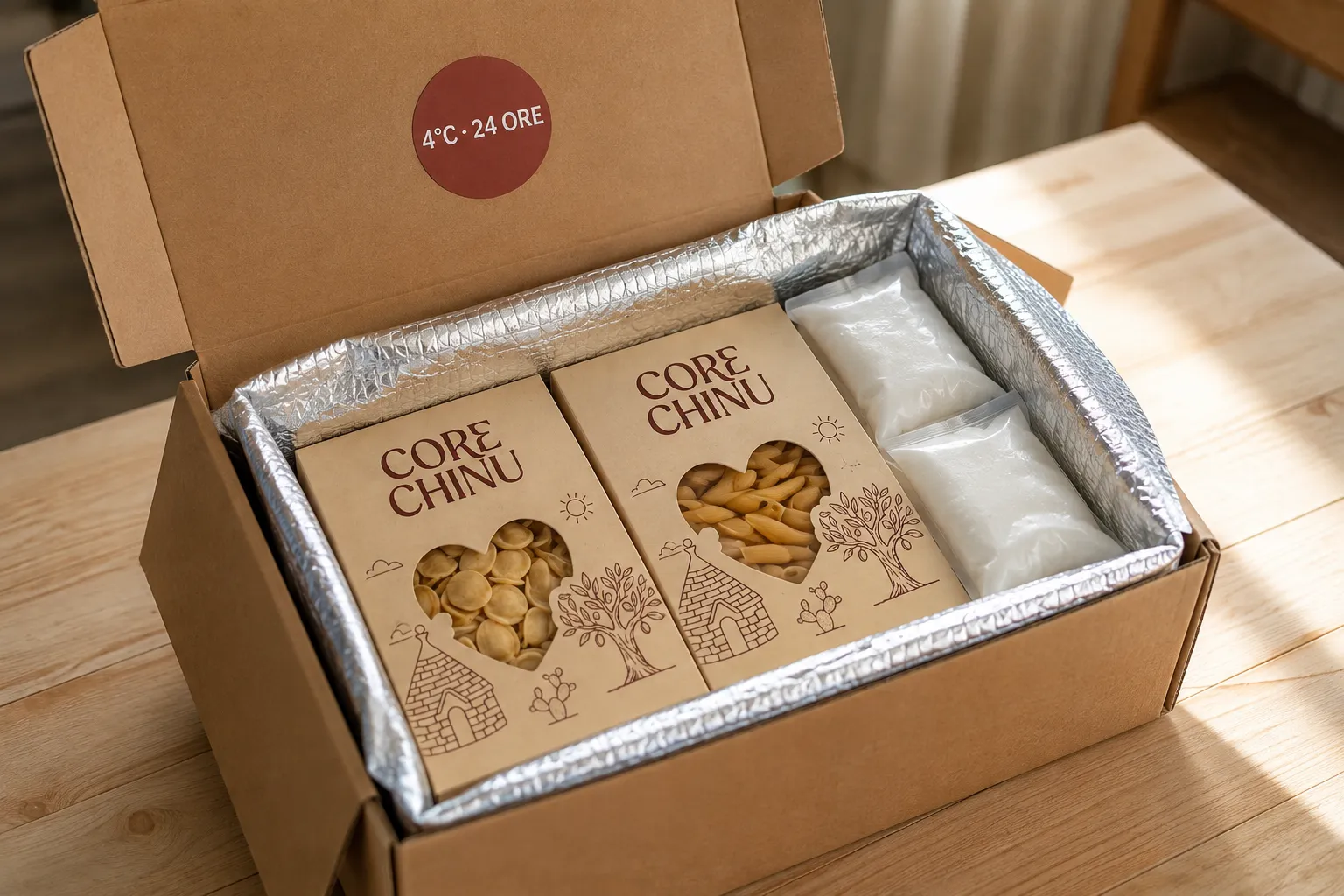
Non volevo che la catena del freddo fosse solo qualcosa da raccontare nella landing page. Doveva essere visibile anche quando il prodotto arrivava a casa.
La confezione, insomma, doveva già rispondere alla prima delle due domande: è arrivata bene?
La strategia: accompagnare Marco fino al secondo ordine
Per dare un volto al pubblico, ho immaginato Marco: 32 anni, account manager nel settore tech a Milano, cresciuto al Sud. Gli piace mangiare bene, ma durante la settimana non ha molto tempo per cucinare ed è stufo della pasta del supermercato.
Il suo problema, però, non è semplicemente trovare qualcosa che gli ricordi casa. Deve prima fidarsi del fatto che quella pasta possa arrivare a Milano ancora buona e poi capire perché dovrebbe scegliere Core Chinu invece di uno dei tanti prodotti pugliesi che può già trovare qui.
Ho quindi costruito il funnel cercando di rispondere alle sue domande una alla volta.
1. Farsi venire voglia
Si parte da Meta con dei video brevi, pensati come piccoli UGC, che puntano sulla nostalgia senza fermarsi al “ti manca casa”.
L’idea è attirare l’attenzione con qualcosa che Marco possa riconoscere: un sapore, un ricordo, una situazione familiare. Ma già qui la campagna deve lasciare spazio alla domanda successiva: ok, ma come ci arriva fino a Milano?
2. Togliere il dubbio
Da lì si arriva alla landing page.
Qui ho lavorato su due varianti, costruite con gli stessi contenuti e la stessa offerta ma con un ordine diverso.
La Variante A parte dalla prova: catena del freddo, consegna entro 24 ore, garanzia e tutto ciò che serve a rendere credibile la promessa.
La Variante B parte invece dalla nostalgia: prima il desiderio, poi le informazioni che servono a tranquillizzare chi sta pensando di comprare.
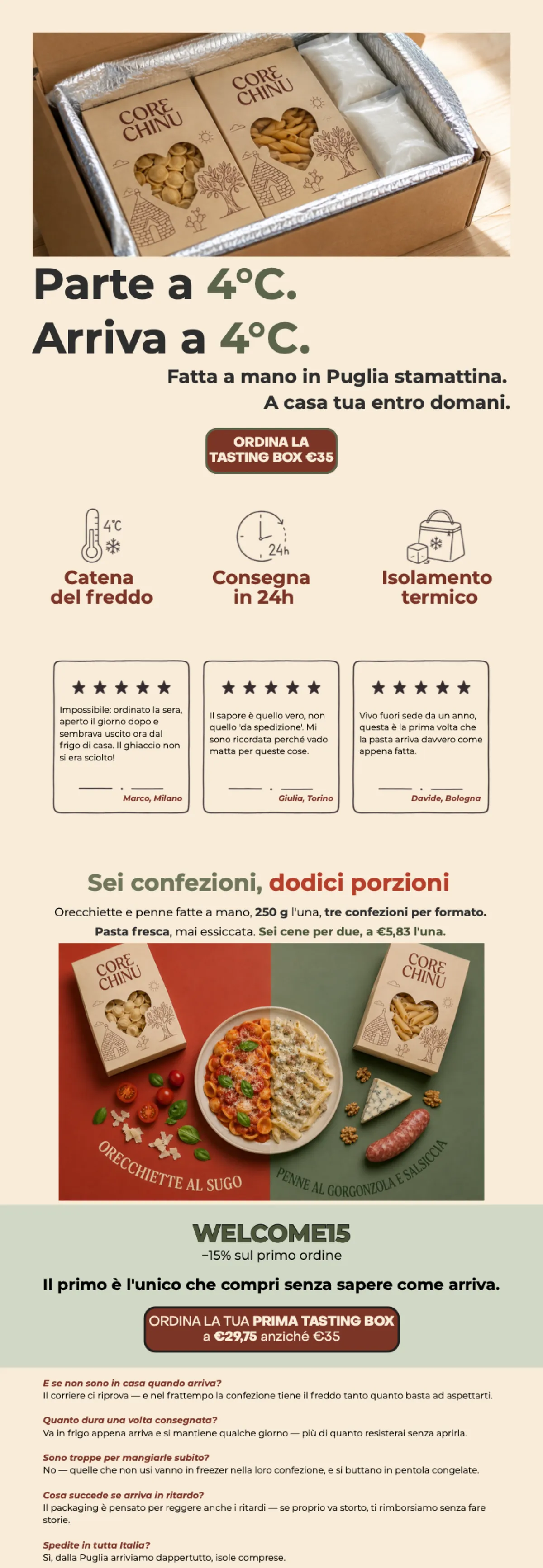
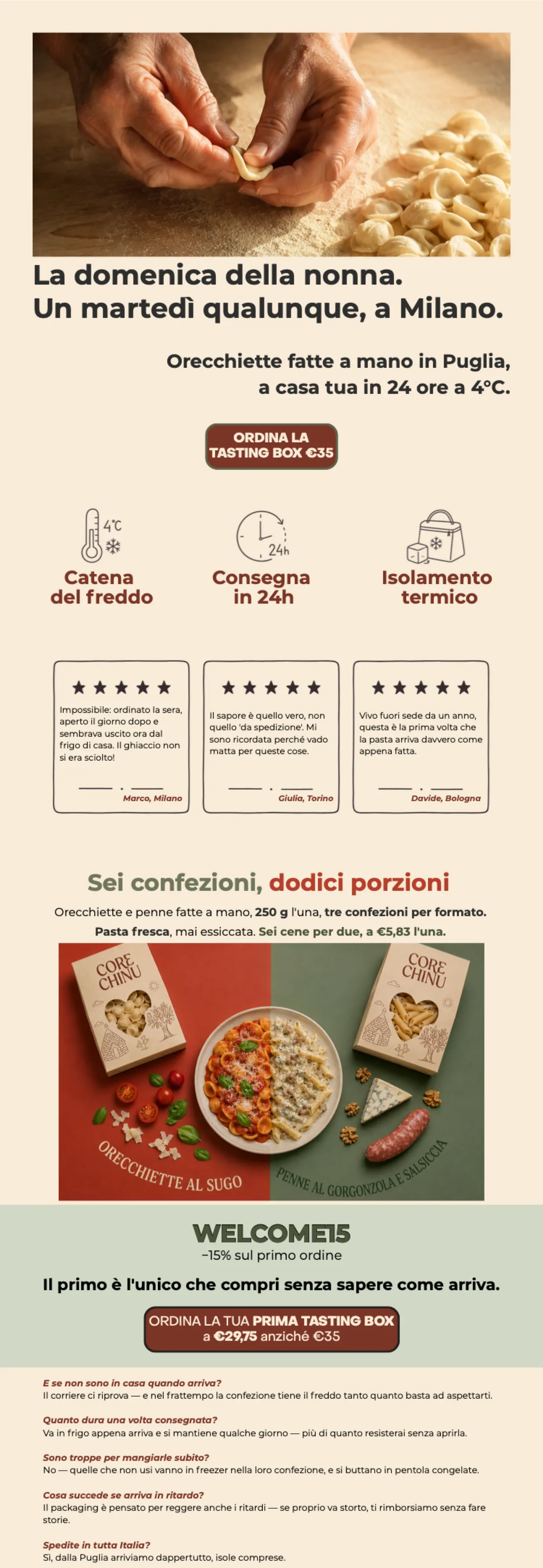
In entrambe le versioni il resto della pagina rimane identico: cambia solo ciò che viene prima.
La domanda è semplice: convince di più la rassicurazione o il desiderio?
3. Far fare il primo ordine
A questo punto entra lo sconto del 15% sul primo acquisto e la garanzia sulla catena del freddo.
Il 15% serve proprio a questo: rendere un po’ più facile provare un prodotto che il cliente non ha mai acquistato e di cui deve ancora fidarsi.
Per aumentare il valore del primo acquisto ho previsto anche una Tasting Box, con un AOV target di €35.
L’obiettivo non è competere sul prezzo con i prodotti pugliesi che Marco può già trovare a Milano, ma dare abbastanza valore al primo ordine da rendere sensata la scelta di comprare Core Chinu online.
4. Farlo tornare
Il quarto passaggio arriva dopo la consegna, con Make.com.
A questo punto Marco ha già ricevuto la sua prima box, quindi il problema della consegna non è più una promessa: l’ha appena verificata.
Ho quindi costruito un’automazione che controlla l’esito della consegna: se la pasta arriva entro le 24 ore, Make invia al cliente una mail; se arriva in ritardo, registra il ritardo e manda una segnalazione al customer care. Un terzo percorso gestisce invece i casi in cui l’orario di consegna manca o non è leggibile.
Al giorno 20 entra invece Klaviyo, a cui ho affidato nel progetto il Quick 1-Click Refill. Ho progettato il relativo mockup senza automatizzarlo realmente.
Il 15% appartiene al primo ordine: serve a rendere più facile provare Core Chinu. Al giorno 20, se la prima box è arrivata bene, la mail propone il secondo ordine senza un altro sconto.
A quel punto non devo più convincerlo che la pasta arriverà: lo sa già.
L’automazione
A questo punto c’era un problema molto concreto: cosa succede dopo che il cliente ha fatto l’ordine?
Ho costruito in Make.com un’automazione funzionante che parte dall’evento di consegna e controlla se la pasta è arrivata entro le 24 ore previste.
Non è solo un diagramma: ho costruito il prototipo end-to-end, con un webhook che riceve l’evento di consegna, un router che controlla la finestra delle 24 ore e tre percorsi diversi.
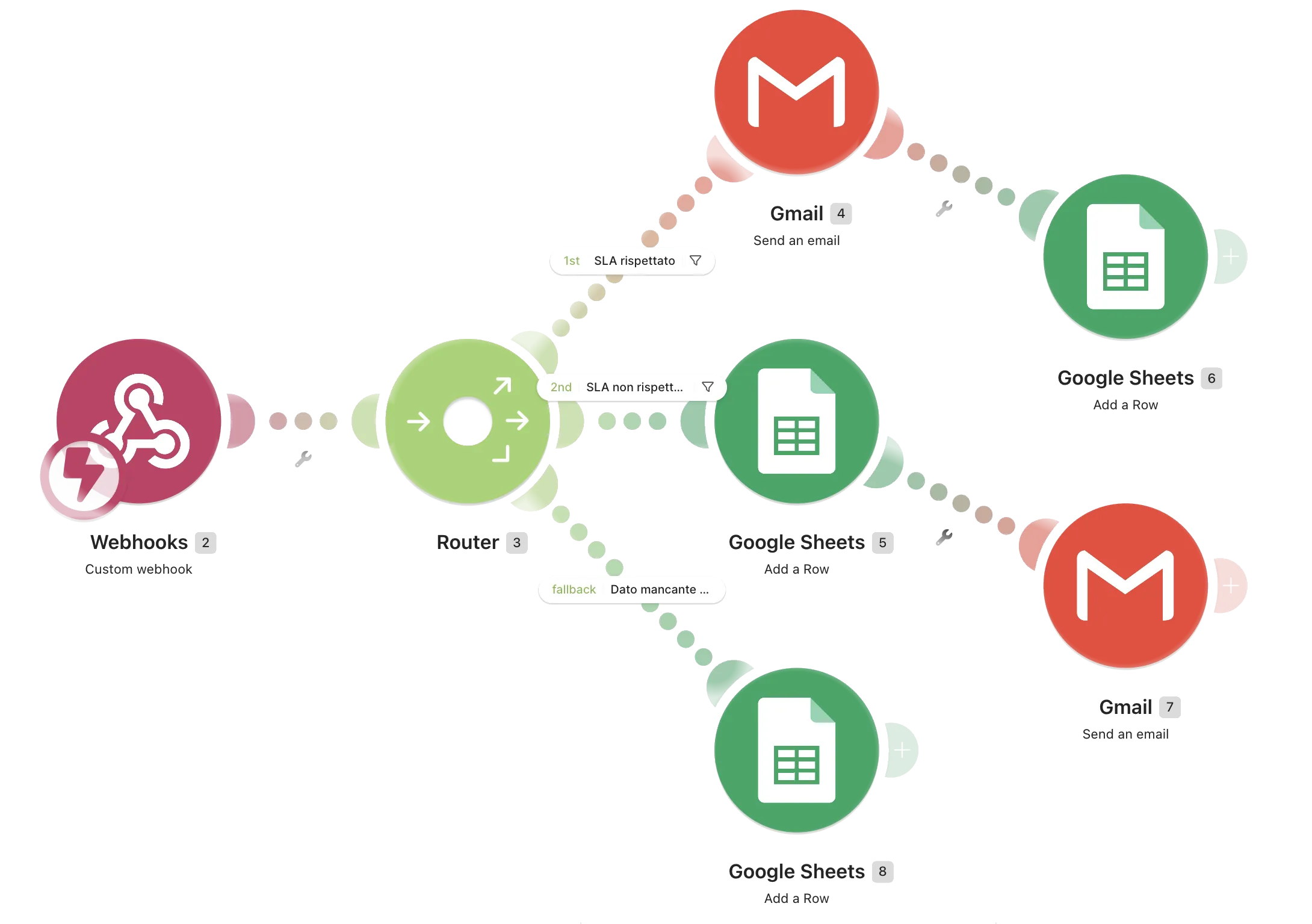
Se la consegna è avvenuta entro le 24 ore, parte una breve email che riprende con ironia proprio il dubbio che il cliente aveva prima di comprare: la pasta ce l’ha fatta, i suoi dubbi un po’ meno. Non serve più parlare della nostalgia — quella ha fatto il suo lavoro all’inizio. Ora posso giocare sulla fiducia che il cliente ha appena acquisito.
Se invece la consegna supera le 24 ore, il sistema registra il ritardo e avvisa il customer care. In questo caso non parte la mail di congratulazioni: prima bisogna gestire il problema con il cliente.
C’è poi un terzo percorso per i casi in cui l’orario di consegna manca o non è leggibile. Anche qui il sistema non presume che sia andato tutto bene: registra il caso separatamente, perché senza un orario non posso sapere se la consegna ha rispettato la promessa delle 24 ore.
Tutti e tre gli esiti finiscono nello stesso Google Sheet. In questo modo posso tenere sotto controllo non solo quante consegne arrivano in tempo, ma anche quante sono in ritardo e quante hanno dati mancanti.
Ho previsto anche le email che accompagnano il cliente nei diversi momenti del percorso. Il welcome e il Quick 1-Click Refill al giorno 20 sono stati progettati come mockup per Klaviyo. La mail successiva a una consegna puntuale, invece, l’ho collegata direttamente all’automazione di Make.com e l’ho testata realmente durante le prove.
Quando la consegna è fuori SLA, Make.com manda anche una mail al customer care, con i dati dell’ordine e le ore di ritardo.
Il copy
Il copy segue le diverse fasi del percorso: dalla prima impressione sulla campagna, alla decisione di provare il prodotto, fino alla consegna e al tentativo di portare il cliente verso un secondo ordine.
Prima dell’acquisto
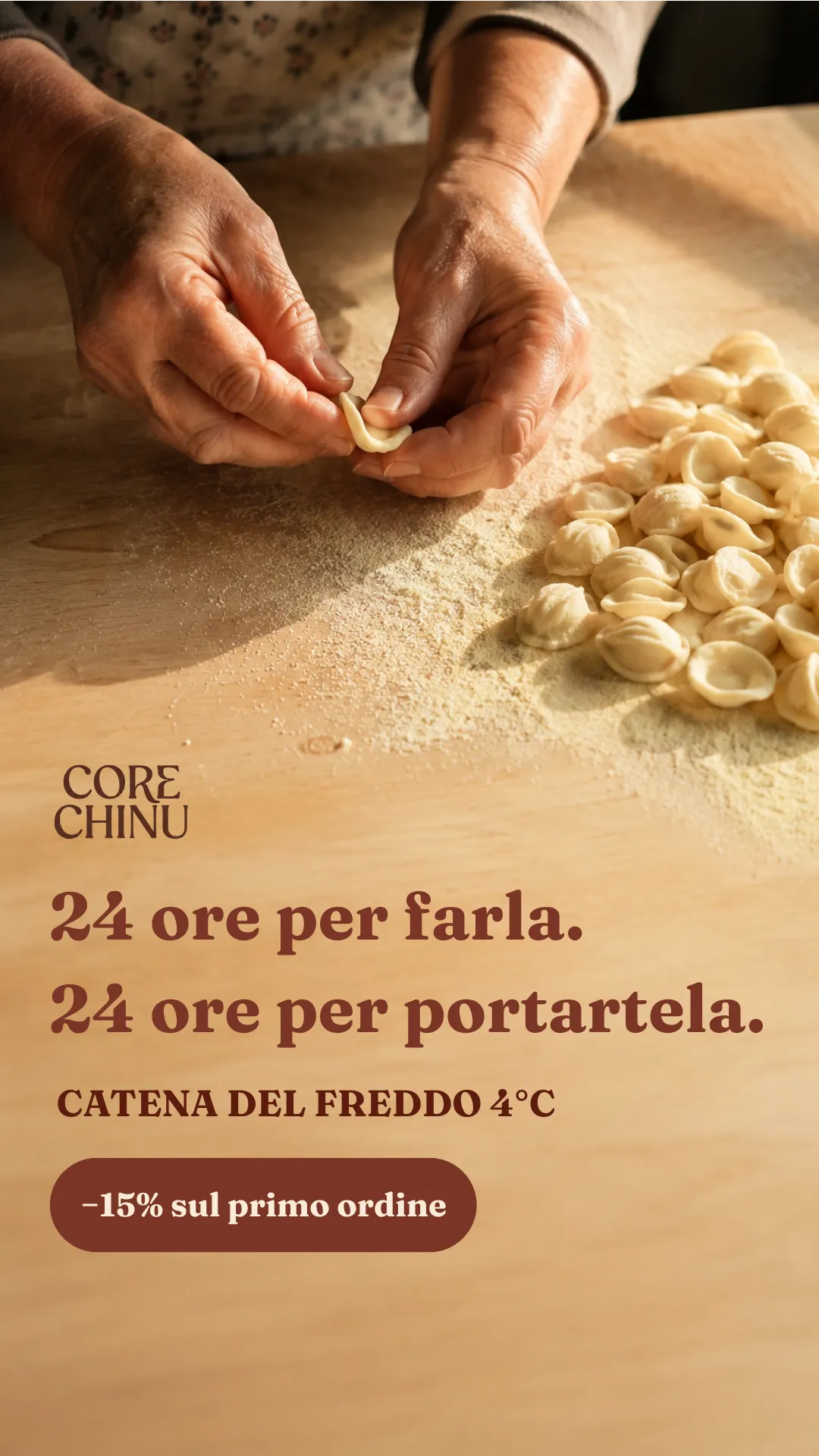
Per la campagna ho scelto un tono caldo, nostalgico e un po’ ironico. Volevo partire da ricordi e abitudini familiari a chi è cresciuto al Sud e oggi vive lontano da casa, senza fermarmi però alla semplice nostalgia.
Uno degli annunci gioca proprio sul rapporto tra il tempo e la pasta:
“Tuo nonno diceva sempre che la fretta rovina le cose belle. Per questo la nostra pasta fresca richiede 24 ore per essere fatta. E consegnarla a casa tua… richiede lo stesso tempo.”
Le 24 ore servono quindi a raccontare sia il tempo necessario per preparare la pasta sia quello della consegna, facendo della lentezza una caratteristica del prodotto invece che qualcosa da giustificare.
Avevo previsto anche un video breve, incentrato sulle mani che preparano la pasta. L’idea era mostrare concretamente il prodotto e il lavoro che c’è dietro, collegando ciò che viene preparato in laboratorio a ciò che il cliente riceverà a casa.
Le email
Per accompagnare il cliente dopo il primo contatto ho previsto tre email, ciascuna con uno scopo diverso.
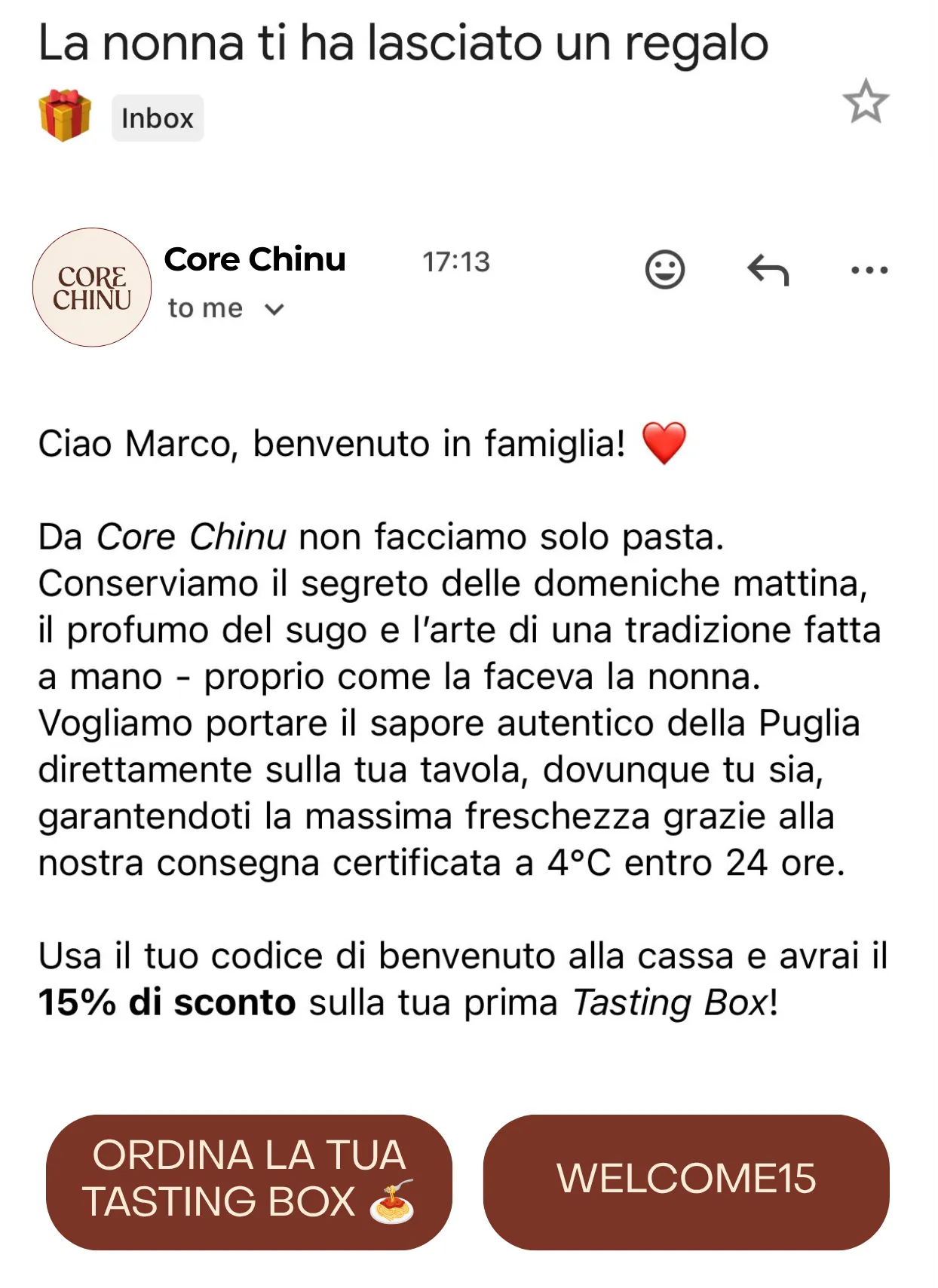
La prima arriva dopo l’iscrizione o il primo contatto con il brand e contiene il 15% di sconto sul primo acquisto. Lo sconto serve a rendere più facile provare un prodotto che il cliente non ha ancora acquistato e di cui deve ancora verificare la promessa.
La seconda arriva dopo la consegna. Se la pasta è arrivata entro le 24 ore previste, l’automazione di Make.com fa partire il percorso previsto per una consegna puntuale e la mail riprende proprio il dubbio che il cliente aveva prima di ordinare.
Oggetto: La pasta ce l’ha fatta. I tuoi dubbi no.
Ciao Marco,
la tua pasta ce l’ha fatta. Sì, proprio quella su cui avevi dei dubbi.
24 ore di viaggio, zero sorprese: forse la prossima volta ti fidi un po’ di più.
Buon appetito dalla Nonna!
Qui posso scherzare sul dubbio solo perché, questa volta, ho una risposta concreta: la pasta è arrivata entro le 24 ore promesse.
La terza email arriva al giorno 20 e propone il Quick 1-Click Refill. Non ripropone il 15% di sconto: quello appartiene al primo ordine e serviva a rendere più facile la prova. Dopo una consegna riuscita, il cliente ha già verificato la promessa principale del prodotto.
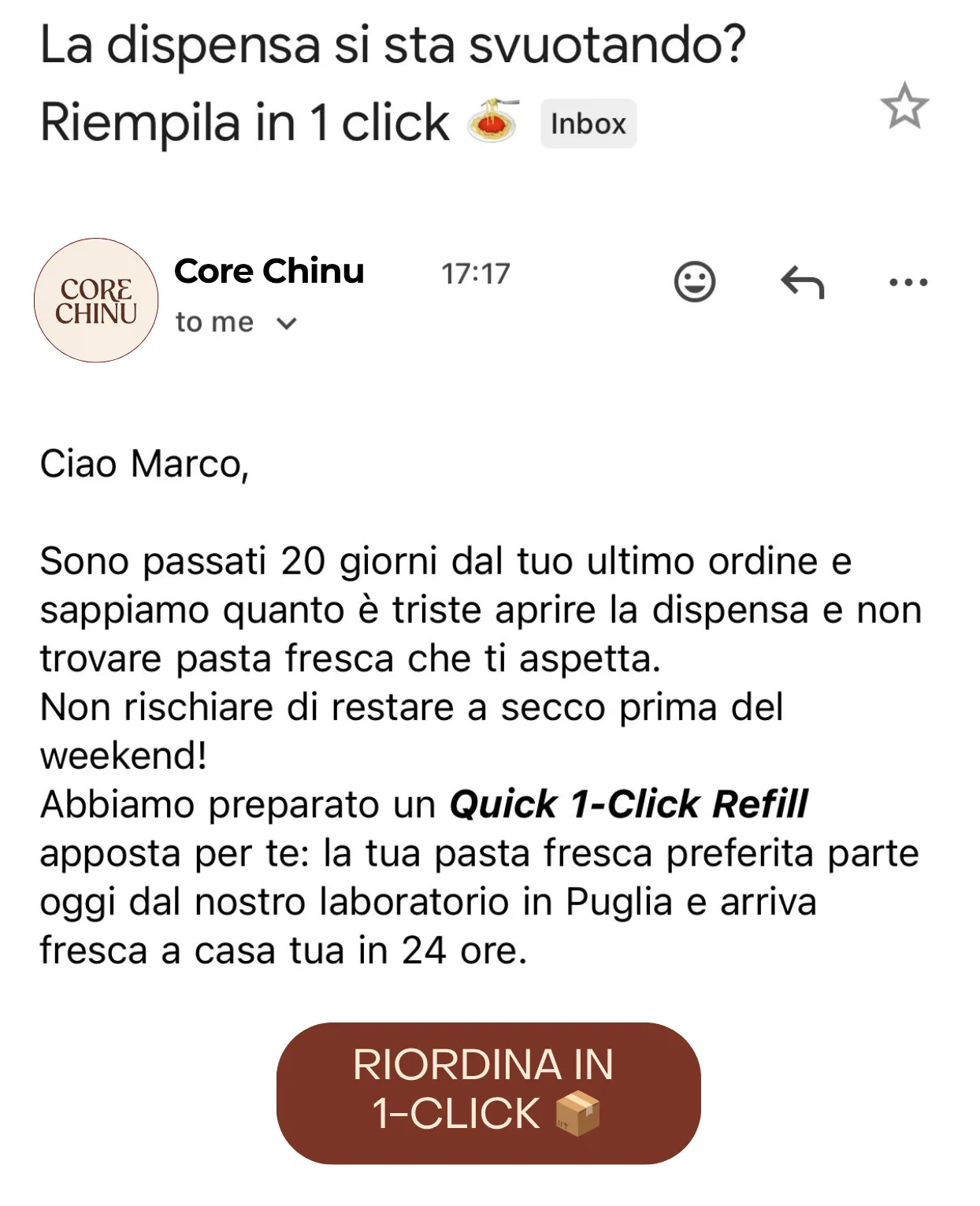
Ho quindi progettato tre email per tre momenti diversi: provare, verificare, tornare. Il welcome e il Refill sono presentati come mockup; la mail sulla consegna è invece collegata all’automazione di Make.com e l’ho testata realmente.
Il modello a 30 giorni
Dopo aver costruito il funnel, ho provato a metterci dentro anche i numeri: se Core Chinu partisse davvero, cosa potrebbe succedere con un primo test pubblicitario di 30 giorni?
Non avevo dati reali da usare: il brand non esiste e quindi non ci sono campagne, ordini o clienti da analizzare. Ho quindi costruito un modello usando alcuni benchmark pubblicati per e-commerce1, advertising23 ed email marketing45 come punti di riferimento e aggiungendo le mie assunzioni dove non avevo un dato reale.
L’obiettivo non era prevedere quanto avrebbe guadagnato Core Chinu, ma capire se il funnel avesse senso dal punto di vista economico e quali numeri avrei dovuto tenere sotto controllo una volta partito.
Ho ipotizzato un budget pubblicitario di €100, un CPM di €8, un CTR del 2,80%, una conversione della landing page del 2,86% e un AOV di €35.
Con questi valori, il modello porta a circa 12.500 impression, 350 clic e 10 ordini.
| Modello a 30 giorni | |
|---|---|
| Budget advertising | €100 |
| CPM | €8 |
| Impression | 12.500 |
| CTR | 2,80% |
| Clic | 350 |
| Conversione landing page | 2,86% |
| Ordini | 10 |
| AOV | €35 |
| Ricavi a prezzo pieno | €350 |
| Ricavi dopo lo sconto del 15% | €297,50 |
| CAC | €10 |
| Return on ad spend | 2,98x |
Anche qui, però, c’è una cosa da tenere presente: questi non sono risultati ottenuti da una campagna reale. Sono il risultato matematico delle ipotesi con cui ho costruito il modello.
Per questo ho messo a confronto uno scenario più conservativo e uno più ottimistico, modificando le variabili principali per vedere quanto cambia il risultato finale. Ho calcolato anche il punto di pareggio in base al margine disponibile: prima di spendere di più in advertising, voglio sapere quanto posso permettermi di spendere per acquisire un cliente senza perdere soldi.
| Prudente — dati mediani3 | Ottimistico — il modello sopra | |
|---|---|---|
| Click-through rate | 1,85% | 2,80% |
| Conversione sulla landing | 2,02% | 2,86% |
| Clic | 231 | 350 |
| Ordini | 4,7 | 10 |
| Fatturato di listino | €163 | €350 |
| Fatturato incassato | €139 | €298 |
| Ritorno sulla spesa | 1,39x | 2,98x |
| Costo per acquisizione | €21 | €10 |
Nessuno dei due dice se il piano guadagna. Una campagna va in pari quando il ritorno è uguale a uno diviso per il margine di contribuzione: alla colonna ottimistica serve un margine del 34%, a quella prudente del 72%. Il margine su una scatola da €35 che viaggia refrigerata non è nel brief e qui non viene stimato — è il primo numero che chiederei a un cliente, perché è quello che decide quale delle due colonne è un’attività.
Il modello, quindi, non serve a dimostrare che Core Chinu funzionerebbe. Mi serve per capire se le ipotesi di partenza hanno senso e cosa cambierei se, una volta lanciata la campagna, i dati reali fossero diversi da quelli previsti.
E dopo il primo ordine?
Ottenere il primo ordine non basta. Il vero obiettivo è fare in modo che Marco abbia un motivo per tornare a comprarlo.
Per capire cosa potrebbe succedere dopo il primo acquisto, ho fatto anche alcune previsioni, confrontandole con i benchmark di email marketing e retention: un open rate del 48,5% per le welcome email (il benchmark va dal 40% al 60%4), un tasso di riacquisto a 90 giorni del 26% (un punto sopra il limite superiore della fascia del 18–25%1: è la mia ipotesi più ottimistica) e una quota del 22% dei ricavi generata dalle email (dentro la fascia del 20–30%5).
Gli open rate delle email sono oggi meno affidabili come metrica, anche per effetto dell’Apple Mail Privacy Protection, e i benchmark possono variare molto a seconda del settore e del tipo di azienda.
Cosa guarderei per primo
1. Quanto posso spendere per acquisire un cliente?
Prima di aumentare il budget advertising, partirei dal margine di contribuzione: quanto rimane davvero dopo i costi direttamente legati alla vendita di una box.
Da lì posso calcolare il CAC massimo sostenibile e capire se il costo di acquisizione ipotizzato dal modello è compatibile con il margine del prodotto.
2. Cosa convince Marco a comprare?
Nel modello ho ipotizzato che Marco possa avere due dubbi diversi: da una parte, “ma la pasta arriva davvero bene dopo 24 ore?”; dall’altra, “perché dovrei comprarla online se a Milano trovo già prodotti pugliesi?”
Per capire quale messaggio funziona meglio, farei un test sulle due landing page. Il contenuto rimarrebbe identico: cambierebbe solo l’ordine con cui presento il prodotto.
- Variante A: partirei dalla catena del freddo e dalla consegna entro 24 ore, per rispondere subito al dubbio sulla spedizione.
- Variante B: partirei invece dalla nostalgia e dal desiderio del prodotto, per creare prima interesse e arrivare dopo alle informazioni sulla consegna.
Poi confronterei quante persone arrivano all’acquisto nelle due versioni.
3. Cosa farei se la pubblicità non portasse abbastanza persone sulla landing?
Ho fissato una soglia di attenzione per il CTR: 1,85%3.
Se il CTR scendesse sotto questa soglia, prima di cambiare video, immagini o formato dell’annuncio guarderei cosa sto promettendo e come sto presentando il prodotto.
Il motivo è semplice: se le persone vedono l’annuncio ma non cliccano, il problema potrebbe essere nel messaggio o nell’offerta. Cambiare la creatività senza capire prima cosa non sta funzionando significherebbe procedere un po’ alla cieca.
4. Prima la consegna, poi la retention
Infine, misurerei la consegna prima di concentrarmi sul riacquisto.
Se la promessa principale di Core Chinu è che la pasta arriva entro 24 ore, devo sapere quante consegne rispettano davvero quella promessa, quante sono in ritardo e quanti casi hanno dati mancanti.
Solo dopo ha senso chiedermi quante persone tornano a comprare.
Prima devo sapere se ho mantenuto la promessa. Poi posso chiedermi se il cliente vuole tornare.
In sintesi
La parte che mi interessava costruire non era solo l’automazione, ma la logica che c’è dietro: decidere in anticipo cosa deve succedere anche quando le cose non vanno secondo i piani.
Ho quindi previsto cosa fare in caso di consegna puntuale, ritardo o dato mancante, trasformando ciascuno scenario in un percorso preciso. Poi ho fatto girare il prototipo con eventi simulati, per vedere se l’automazione reagiva davvero come avevo previsto.
Alla fine, il punto è abbastanza semplice: se posso prevedere un problema, posso anche decidere cosa deve succedere quando arriva.
Note
-
Benchmark del tasso di riacquisto nel DTC, Everboost. Fonti orientate agli abbonamenti, come il State of Subscription di Recharge, riportano valori sensibilmente più alti sulla stessa finestra. ↩ ↩2
-
Benchmark del CPM Facebook per i brand food & beverage, Mesha. I dati di settore variano molto da una fonte all’altra. ↩
-
Benchmark della pubblicità su Facebook per settore — CTR, CPM, tasso di conversione e ROAS, Lebesgue. ↩ ↩2 ↩3
-
Benchmark dell’email marketing: tassi di apertura, clic e conversione, Klaviyo, ricavati dai suoi dati su oltre 183.000 brand. ↩ ↩2
-
Benchmark dell’email marketing e-commerce 2026, dati Klaviyo via Darkroom. ↩ ↩2